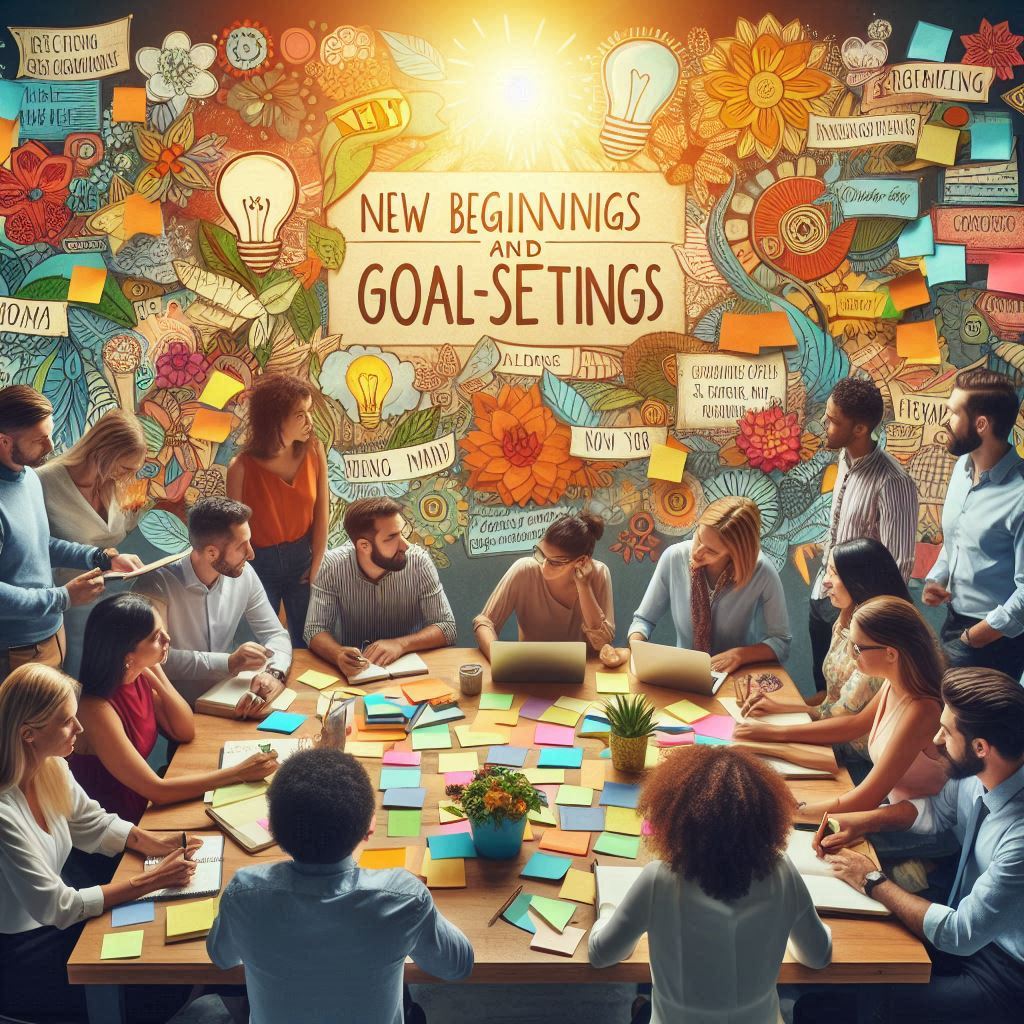
It is important to understand that efforts to shape student success depend on more than passion, it requires strategy. When it comes to education, strategic planning is the process by which educators design, align, and implement long-term goals, practices, and systems that are designed to ensure student success.
Student success requires a well-defined success strategy. There are many teachers who have a passion for teaching. There are many teachers who have a passion for students succeeding on their educational journeys. Educators who are passionate about their work end to stay in the profession longer than those who do not have a passion for their work. So passion does have value and is important for educators. However, in order for educators to do the best possible work to help their students succeed, strategic planning is an essential tool.
It is strategic planning that distinguishes the best educators from ordinary educators. When educators use strategic planning, the education provided is more likely to be proactive, intentional, and sustainable. When strategic planning is embedded in an educator’s educational practice, she is able to create structures that support student resilience, growth, and achievement.
This article will focus on vision, resources, equity, growth, and community and the part those things play in strategic planning for student success.
Defining Strategic Planning to Shape Student Success
It is important to start this discussion with a definition for strategic planning in education. strategic planning and education can be defined as the process educators use to design align and implement long-term goals systems and practices in order to ensure student success. strategic planning and education is more than day-to-day lesson planning. It is about creating a vision driven road map that connects classroom activities curriculum resource allocation and equity frameworks to measurable student outcomes.
When educators engage in strategic planning, they’re teaching is not reactive but is proactive and intentional period by engaging in strategic planning, educators are able to create lasting structures that support student resilience, growth, and achievement.
There are several elements educators must keep in mind when they are trying to create strategic plans for students success. These elements include:
- Vision alignment – means translating big picture goals into actionable steps
- Resource management – involves using tools, time, and support strategies that maximize student learning
- Curriculum design – happens when strategy is embedded into lessons to ensure that learning is adaptable, coherent, and progressive
- Equity integration – involves taking care to see that all students have access to support and opportunities
- Continuous reflection – means regularly assessing progress and adjusting strategies to meet ever evolving student needs
Strategic Educators: Architects who Shape Student Success
At their core, strategic educators are architects of student success. They design student
learning experiences. Educators create lessons that have the power to make students want to learn more. They also can create lessons make children feel out of place and unwelcome in their classrooms. The best educators use strategic planning to create lessons that are inclusive of students of different cultures, levels of achievement, and learning styles.
It is important to understand that teachers have the power to do more than simply create lessons. The best teachers create holistic learning journeys. It is strategic planning that enables educators to align daily activities in the classroom with long-term goals for student success. This can be seen in things like a teacher mapping out a year-long literacy plan for her class with checkpoints to monitor growth along the way.
Intentional planning fosters an organized, positive, and inclusive classroom. The intentional planning must be done consistently. When that planning is predictable, it leads to students trusting the teacher and the lessons. Routines and structured goals in the classroom are good for students and teachers because they reduce anxiety and increase engagement.
Strategic planning drives student achievement by ensuring learning objectives are met progressively. It also includes checkpoints and milestone that track progress and adjust instruction. This leads to students achieving benchmarks and carefully scaffolding student work to achieve goals. The key thing to remember is that educators who are strategic planners do more than teach, they build futures.
Vision Alignment
It is important to acknowledge the fact that effective teachers do not plan in isolation. They must align their classroom goals with the broader goals in the school in which they work or those of the school district. Alignment happens when a teacher’s individual teaching practices and broader educational goals and plans are in agreement.
It is imperative that educators translate high-level priorities like equity, literacy, and critical thinking into daily classroom objectives. When there is alignment between what a teacher does and the larger goals for the school and district, consistency across grade levels and subjects is achieved.
When teachers make clear what their expectations are, students are better able to understand what results they should be trying to achieve. Consistency in the classroom is important because it is how trust is built. It also reduces confusion for students and their families. When there is clear alignment, it is easier for teachers and administrators to collaborate. That collaboration also builds trust and supports student success.
Alignment is more than compliance. It is also about how teachers can ensure that each day, students’ daily experiences contribute to their long term success. When classroom goals echo the district vision, strategic planning becomes a shared roadmap to achievement.
Resource Allocation
The best educators are more than lesson planners. They also manage resources. In order to properly engage in strategic planning, educators must make strategic use of their time, materials, and support staff. This type of resource management is a critical part of strategic planning that impacts both student success and teacher sustainability.
Teachers prioritize activities that produce the greatest learning gains in order to maximize instructional minutes. It is important for teachers to balance whole-class instruction with small-group or one-on-one instruction. This balance is necessary because it is a way to ensure equity in the classroom. This means that each student will get what they need in order to succeed in class.
By conducting lessons in large and small group settings, teachers are able to select and adapt materials in ways that meet the needs of diverse student populations. By being thoughtful and strategic about resource management and deployment, educators are able to prevent wasted effort and enhance student engagement.
Resource Management is Best with Group Effort
A final and important note of resource management involves leveraging staff support. Educators must strategically collaborate with aides, specialists, and co-teachers. By delegating effectively, teachers can ensure that student receive individualized attention from other classroom aides and avoid the lead teacher becoming overwhelmed.
Educators must focus most of their attention and energy on practices that push for measurable student growth. When teachers say no to low stakes tasks, they are able to preserve energy for tasks that they can best handle effectively.
Resource allocation as part of a teacher’s strategic plan has to do with sustainability as much as it has to do with student success. When educators allocate resources wisely, they create classrooms where students and teachers both thrive.
Professional Development
The best educators recognized the importance of professional development. They are lifelong learners. They understand that teachers should also be learners. These teachers look for opportunities to learn different ways to reach diverse student populations. They understand that lessons they learned at the start of their teaching careers may not be relevant or may not work as well after time has passed. It is important for them to strategically plan for their own growth and development just as they plan for their students growth and development. As a result, they do things like attending equity-focused workshops to refine and improve their teaching practice.
Community Engagement
Smart teachers know that student success is more likely to happen when strategic planning extends beyond the classroom. These teachers know that it is important to build partnerships with families and local organizations. When teachers build these types of relationships, they become part of their students communities and relevant in their students’ lives. When teachers are part of their students’ lives, their students are more likely to feel that their teachers care about them. Students are more likely to perform better and have more successful academic journeys when they think their teachers care about them.
The Future of Strategic Planning in Education
Today’s educational landscape is driven by data-driven planning, AI tools, and personalized learning. These tools make is easier for teachers to effectively engage in strategic planning activities. Modern technology makes the world seem smaller in many ways. One of those ways is that teachers have easy access to global perspectives on education and equity-driven innovations. These things enable them to shape student success with the clever use of strategy.
Conclusion
It is worth stating again that the best educators are more than instructors. They are strategist, scoping out plans for student success. Educators use their equity-centered vision, resources, plans for growth, and community support and planning to shape student success. Think of this article as a call to action – calling on educators to embrace strategic planning for their students’ success as a part of their legacy-building educational success.
Further Reading
You are Strong You Can Win the Battle Against Imposter Syndrome
Unlock Your Doctoral Success: Coaching & Resources That Work
Unleash the Fire Within: Maya Angelou’s Lifegiving Wisdom for Educators
About the Author
Dr. Janeane Davis is Founder and Principal Consultant at Janeane Davis and Associates: Educational Consultants. She believes educators deserve systems that work as hard as they do. Her writing offers strategic clarity, workflow wisdom, and encouragement rooted in lived experience.
One problem at a time. One solution at a time. Always building.