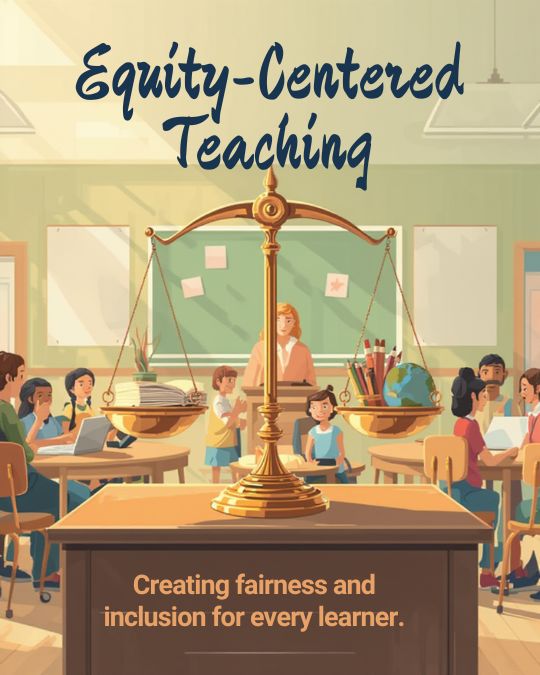
The year 2026 is expected to be a pivotal one for equity-driven educational consulting who must act with equity, legacy, and lasting impact in mind. This is a time when such consultants will need to be resilient and act with care for the future at front of mind. In other words, these firms will need to act with intentionality, and lead with clarity.
Equity
When it comes to education, equity means ensuring that every student has access to the support, opportunities, and resources they need to succeed no matter what their background or circumstances. Equity goes well beyond notions of equality where every student gets the same thing. When educators operate with equity in mind, they recognize that each student needs something different and that students may need different levels of support and different resources to achieve fair educational outcomes. At its center, equity is about creating the conditions needed for each child to thrive.
Legacy
When one speaks about legacy they are talking about the lasting contributions and structures that remain after educators and consultants complete their work. Legacy goes beyond reputation and looks at building resources, mentorship, and systems that will empower future generations. In the field of educational consulting, accessible scholarship, sustainable practices, and inclusive policies create legacy. It is important to create a strong legacy because that is how equity and innovation become embedded in the culture of learning and lasts for years to come.
Lasting Impact
When one speaks about lasting impact, they are talking about the measurable, sustained change that happens when intentional educational strategies and partnerships take place. Lasting impact is more than short-term fixes, curricular, policy influences, and community engagement. Educational consultants create lasting impact by building educator capacity, fostering strong school-community relationships, and embedding accountability. In the end, lasting impact means that the work done today will continue to have an impact of student success and institutional growth in the future.
The Equity Imperative
In today’s educational landscape, education systems face challenges that are deep and extend beyond individual classrooms. These challenges must be addressed through the lens of equity. One systemic challenge that needs an equity-based solution is unequal access to resources including funding disparities and technology gaps. Structural biases in policies, disciplinary practices, and curricula are another challenge in need of an equity-based solution. A third challenge that needs an equity based solution is achievement gaps that are connected to socioeconomic status, language, disability, or race.
We classify equity as non-negotiable imperative because without equity, any proposed reforms risk reinforcing and perpetuating existing inequalities. When equity is introduced fair opportunities and outcomes for all students, not just privileged student groups, are ensured. Educators must take care to build inclusive institutions that create sustainable educational progress. The foundation of meaningful change in education is not optional, but imperative.
The practice of equity is strengthened when organizations use professional development, strategic planning, and audits. The use of audits highlights gaps in representation, outcomes, and access by uncovering and providing the data needed to guide change. With the use of strategic planning, equity goals can be embedded into long-term organizational vision and operations. For example, strategic plans can align accountability measures, timelines, and resources to ensure equitable outcomes for students. Professional development programs can train and equip staff with the awareness, practices, and skills they need to sustain equality in their educational environments. For example, ongoing professional learning programs can help build cultural competence and reinforce equity in decision making.
These things are all tied together. Audits identify inequities, strategic planning work addresses those inequities in a systemic manner, and professional development for educators sustains equitable practices by educators.
Building a Legacy of Accessible Scholarship
Legacy is a big tent word that encompasses systems, mentorship, and resources that endure over the test of time. Legacy goes beyond one’s personal reputation. It is best measured by things that last like resources, structures, and relationships that one leaves behind. By creating sustainable systems, one creates legacy by ensuring the continuity of values and practices. This involves creating workflow systems such as frameworks, and policies that remain functional even after the leader steps away.
Mentorship is a way of ensuring the transfer of knowledge and the building of human capacity. This can happen when leaders are guided in how they can carry on a mission with skill and confidence. When an equity-minded leader selects someone to mentor, that leader’s vision for equity is spread to a new audience of people. Each time an equity-minded leader mentors someone, the importance, message, and value of equity is spread. The more that message is spread, the more the world is improved and becomes more equity-centered.
When equity-minded educators create tangible resources like educational materials, tools, funding, and guides their impact is extended beyond the individual. For examples an administrator who creates an archive of equity-centered materials, future educators can adapt and use those materials. This means future leaders will have the tools they needed to engage in equity-centered educational practices.
Systems, mentorship, and resources work together to create legacy. Systems provide the structure, mentorship provides the people, and resources provide the tools. These three things a the trifecta needed to create a lasting legacy.
Educational consultants play a major role and create a lasting impact by building tools, relationships, and cultures that prioritize equity. It begins with the creation of modular resources which ae flexible adaptive tools designed to meet the diverse needs of educators and institutions.
Modular Resources
Modular resources can be things like printable planners, frameworks, or toolkits that are customized to meet diverse classroom needs.
Mentorship
Mentorship strengthens professional growth and ensures equity-driven practices are carried out. To do this, educators can integrate inclusive strategies. When they do this, they are empowered to become equity advocates.
Embedding Equity
When woven into policies, daily operations, and workflows, equity become part of the system in an educators workplace. For example when educators engage in strategic planning cycles, audits, and professional development, equity is normalized as a core value in education.
These three elements, modular resources, mentorship, and embedding equity into institutional culture ensures that equity endures and becomes part of legacy in the educational landscape.
The work I do as the head of Janeane Davis and Associates: Educational Consultants is about more than solving immediate problems for my clients. My work, my company, was built in to stand on structures that support growth, reflection and renewal. Consulting provides mentorship and resources that fosters long-term development. Growth can happen via the use of professional development programs and scalable workflows that help leaders become empowered and expand their capacity.
The tools and systems I create and help my clients to create encourage ongoing self-assessment and evaluation. It is through self-assessment and continually looking inward that lasting structures and policies are created. For example, frameworks for equity audits or feedback looks help organizations continually examine their policies, procedures, and practices. The continuity of this type of work and the constant reflection, and action based on the reflection both creates and strengthens legacy.
Designing for Lasting Impact
Educational consultants play an important role in embedding sustainability by aligning policies, community engagement, and curricula with long-term equity goals. One way in which they do this is by helping educators and institutions design adaptable equity-driven policies. This can be done by keeping equity at the center of decision making.
When educational consultants help educators to embedded inclusive content, reflective practices, and adaptable modules that evolve with student needs they integrate sustainability into teaching and learning frameworks. The creation of feedback loops with families, local organizations, and stakeholders sustain equity by ensuring practices remain relevant and responsive.
These three elements, sustainable policies which provide structure, curricula embedded with equity-centered values, and community engagement all serve to ensure lasting impact across the educational landscape.
Strength Through Strategic Action
When teachers, staff, and administrator have operational clarity, vision can be translated into action. This can be done by scaffolding daily, weekly, and monthly. Equity work, particularly when one is trying to create lasting impact is hard mentally and emotionally. All parties engaged in this type of work need to engage in self-care and reflection practices that help them sustain their strength.
Conclusion
Equity, legacy, and lasting impact are goals that educational consultants and their clients should work to shape and strengthen. Educators, staff, administrators, and institutions should embrace partnerships with educational consultants. Collaborative, equity-driven education is the foundation for strength and sustained improvements in education in 2026 and beyond.
Further Reading
The Best Educators Strive to Create Equity-Centered Classrooms
Unlock Your Doctoral Success: Coaching & Resources That Work
Adapting a Miracle Morning Routine for Educators
About the Author
Dr. Janeane Davis is Founder and Principal Consultant at Janeane Davis and Associates: Educational Consultants. Her mornings begin with movement, meaning, and a well-lit desk where rituals become roadmaps. She writes to help educators build mornings that nourish their mission and sustain their momentum.
Sunrise near. Pages open. Always becoming.